Most safari brochures talk about wildlife. Few talk about who trains the people who protect it. That gap is why a small graduate school in Kigali matters more than its size suggests. Richard Vigne ran Ol Pejeta Conservancy for years. It is one of Kenya’s most closely watched conservation and tourism models. When the African Leadership University built its School of Wildlife Conservation, the first school of its kind in Africa, Vigne joined its board of advisors. He now serves as the school’s Executive Director. Touring Insights looks at what that link means for travelers, and why it should shape which conservancies you choose to visit.
What Is the ALU School of Wildlife Conservation
The African Leadership University (ALU) runs the School of Wildlife Conservation (SOWC) from Kigali Innovation City in Bumbogo, Kigali, Rwanda. It is built around one idea: conservation in Africa succeeds or fails on management skill, not biology alone. Rangers can protect a patch of bush. Someone still has to fund the patrols, negotiate with neighboring communities, and keep the tourism revenue flowing. That is the gap SOWC trains people to fill.
The school offers a Conservation MBA for working professionals. It also folds a conservation major into ALU’s undergraduate Bachelor of Entrepreneurial Leadership degree. SOWC has awarded more than $1.6 million in scholarships to current and future conservation leaders. Thirty of those scholarships are set aside specifically for undergraduates who choose the conservation track.
That focus on business skill, not only field skill, is what separates SOWC from a typical ranger training course. Its graduates are meant to run conservancies, not just patrol them.
Why Ol Pejeta’s Former CEO Joined the Board
Richard Vigne led Ol Pejeta Conservancy through its transformation into one of East Africa’s best-known conservation and tourism operations. SOWC invited him to address its first Conservation MBA cohort. He walked students through Ol Pejeta’s model for balancing livestock income, tourism revenue, and wildlife protection on one piece of land. Few conservancy leaders anywhere have run that balancing act at Ol Pejeta’s scale.
Vigne then joined the school’s board of advisors. He sits alongside a small group of established conservation figures: Oxford wildlife researcher Professor David MacDonald, African Parks board member Jon Cummings, former African Wildlife Foundation president Helen Gichochi, and Tusk Trust board member Phillip Ihenacho.
Vigne’s move from Ol Pejeta’s top job to SOWC’s Executive Director role is not a small career footnote. It signals something bigger. Kenya’s most commercially tested conservancy model is now a teaching case study for the next generation of conservation managers across the continent. Ol Pejeta is not just a place tourists pass through anymore. It is a template other conservancies study.
Where This Leaves Ol Pejeta Conservancy Today
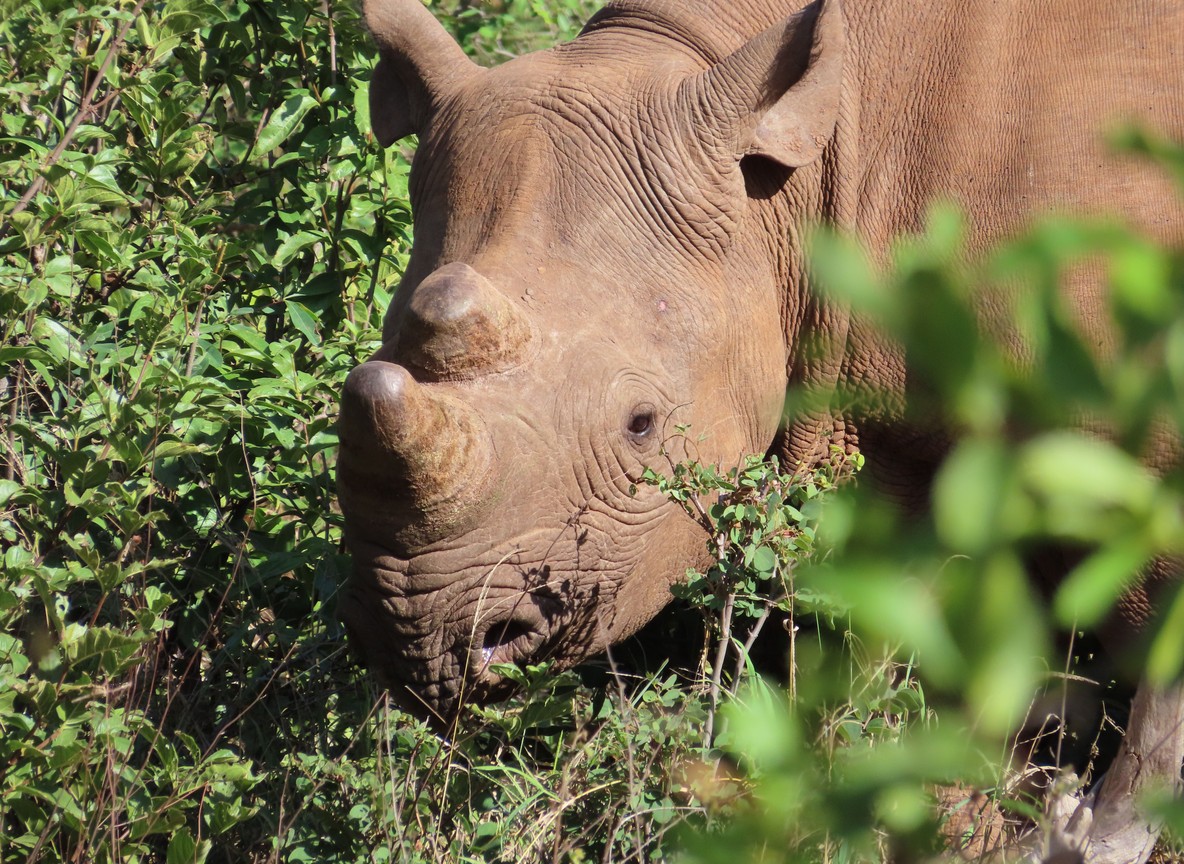
Ol Pejeta itself has since moved on to new leadership. Justin Heath has served as the conservancy’s CEO since April 2022. He has continued the same land-use model Vigne built. Cattle ranching, high-end tourism, and rhino protection still share the same 360 km2 of Laikipia County. The conservancy still describes itself as the largest black rhino sanctuary in East Africa. It is also home to the last two northern white rhinos alive anywhere.
For a traveler, that continuity matters more than the name at the top. Ol Pejeta became a teaching case for a graduate school for a simple reason. The land pays for a meaningful share of its own protection, instead of relying only on donor funding. That is also the reason it is worth visiting.
Ol Pejeta Conservancy at a Glance
| Detail | Figure |
|---|---|
| Size | 360 km2 (about 90,000 acres) |
| Location | Laikipia County, between the Aberdares and Mount Kenya foothills |
| Main gate | Rongai Gate, near Nanyuki town |
| Nearest airstrips | Kamok Airstrip (on the conservancy) and Nanyuki Airstrip, about 45 minutes away |
| Drive time from Nairobi | 4-5 hours by road |
| Flight from Nairobi | Scheduled flights from Wilson Airport to Nanyuki, then a short road transfer |
| Non-resident entry fee | Indicative $110 per adult per day, confirm current rate before travel |
| Signature wildlife | Black rhino, the last two northern white rhinos, chimpanzee sanctuary |
Rates and schedules shift, so confirm current entry fees and flight times with the conservancy or a booking partner before you travel.
Why This Conservation Pipeline Story Should Shape How You Choose a Safari
Some conservancies simply fence off land and hope donor money keeps arriving. Ol Pejeta is different. It trains its own future managers, and its past leadership now teaches other conservancies how to run themselves. That is a different kind of investment for a traveler to support. When you pay a conservancy fee at Ol Pejeta, part of that money funds anti-poaching patrols, community programs, and a rhino monitoring operation that other conservancies study as a working model.
That is the trust signal worth paying attention to before you decide where your safari money goes. It also explains why conservation-minded travelers increasingly ask guides pointed questions. Who owns this land? Where does the entry fee actually go? Does the funding model pay for protection long term, or is it propped up year to year? Ol Pejeta’s link to SOWC gives a clear, checkable answer to that last question, which is rarer than it should be in East African tourism.
Ol Pejeta vs Other Conservation-Focused Kenya Safari Stops
Ol Pejeta is not the only Kenyan conservancy built around a strong land-use and funding model. The table below compares it with two others that conservation-focused travelers often shortlist.
| Conservancy | Size | Distance from Nairobi | Non-resident entry fee | Known for |
|---|---|---|---|---|
| Ol Pejeta Conservancy | 360 km2 | 4-5 hrs drive (approx. 200 km) or short flight to Nanyuki | indicative $110/day | Black rhino sanctuary, northern white rhinos, mixed cattle-tourism model |
| Lewa Wildlife Conservancy | approx. 250 km2 with adjoining Ngare Ndare Forest | 4-5 hrs drive (approx. 260 km) | indicative $126/night guest, $198 day visitor | UNESCO-listed rhino and Grevy’s zebra conservation, community land-share model |
| Maasai Mara conservancies (e.g. Naboisho) | varies by conservancy, typically 50-200 km2 | 5-6 hrs drive or approx. 45-min flight to Mara airstrips | indicative $70-100/day, camp-dependent | Community land-lease conservancy model, lower vehicle density than the main reserve |
Confirm current fees directly with each conservancy or your booking partner, since rates and community levies change during the year.
Explorer Notes
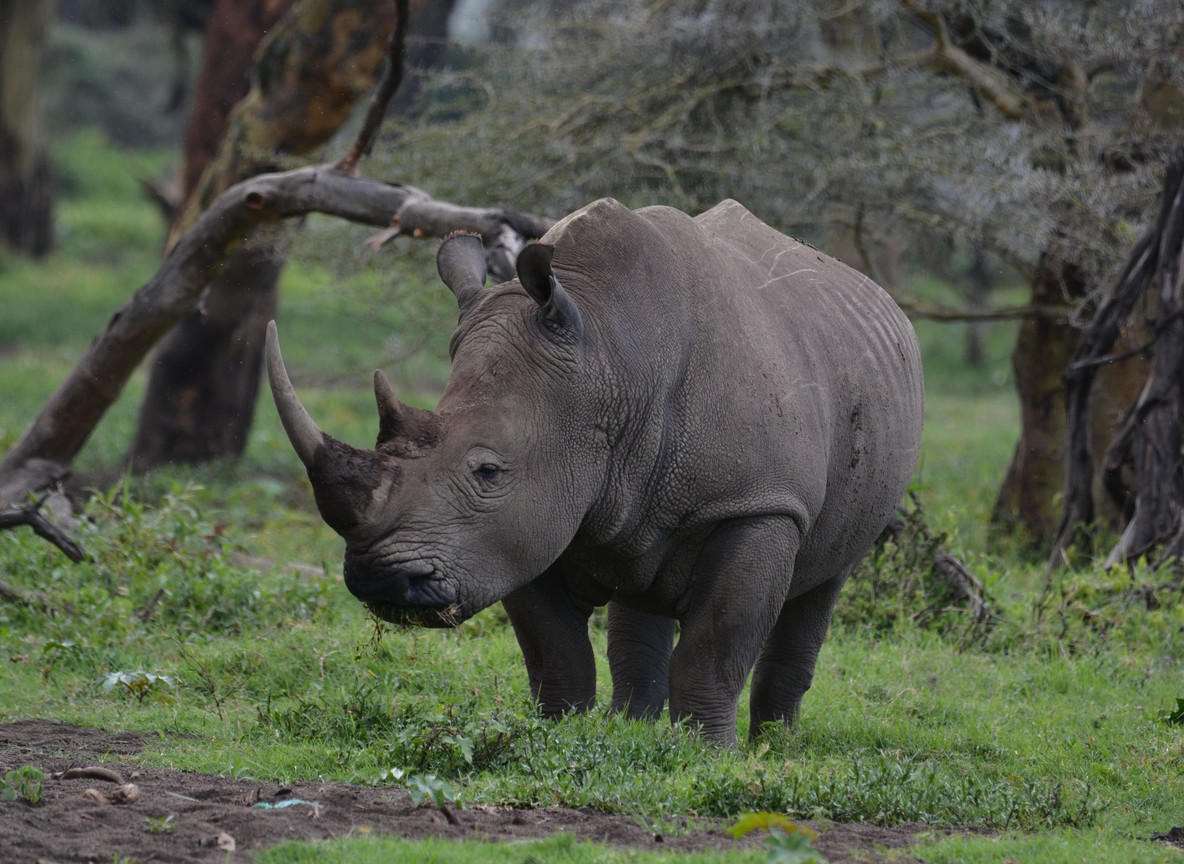
Guides in Laikipia say the most useful question on a game drive is not “how many rhinos are here.” It is “how is this land funded.” Ol Pejeta’s guides are trained to answer that directly. They walk guests through how tourism, cattle income, and donor grants each cover a share of the conservancy’s protection budget. Ask for a stop at the rhino sanctuary’s information point near Morani’s Restaurant. Staff there explain the northern white rhino program in more depth than a standard game drive allows.
If you are building a Laikipia leg into a wider Kenya itinerary, pair a night at Ol Pejeta with a night at Lewa. The two conservancies share research staff and radio networks. Guides at each often reference joint anti-poaching operations, which gives a fuller picture than visiting just one. Ask your driver-guide in advance whether a same-day transfer between the two is possible. It usually is, since the road between them stays within Laikipia County and does not require a fresh park permit.
FAQ
What is the ALU School of Wildlife Conservation? It is a graduate and undergraduate school run by the African Leadership University in Kigali, Rwanda, focused on training conservation managers rather than only field rangers. It offers a Conservation MBA and an undergraduate conservation major.
Did Ol Pejeta’s CEO really join the school’s board? Richard Vigne, who led Ol Pejeta Conservancy for years, joined the school’s board of advisors and now serves as its Executive Director. Ol Pejeta’s current CEO, Justin Heath, has led the conservancy since April 2022.
Is Ol Pejeta Conservancy part of Kenya’s national park system? No. Ol Pejeta is a private, not-for-profit conservancy in Laikipia County. It sets its own entry fees and conservation programs, separate from Kenya Wildlife Service national parks.
How much does it cost to visit Ol Pejeta Conservancy? Indicative non-resident entry runs around $110 per adult per day, with extra costs for specific activities such as rhino tracking. Confirm current rates before you travel, since fees change.
Is Ol Pejeta good for first-time safari visitors? Yes. Its location near Nanyuki makes it easy to combine with a Mount Kenya or Aberdares leg. Its rhino sanctuary also gives a close, guided introduction to conservation work that is harder to see on a standard Mara or Amboseli circuit.
Ol Pejeta’s link to Africa’s first conservation-focused business school is a good reminder that not every conservancy funds itself the same way. If a Laikipia leg fits your Kenya plans, visit our Tour Packages page to see how a rhino sanctuary stop pairs with the rest of a well-paced itinerary. Or ask a partner operator to build Ol Pejeta and Lewa into one connected route.